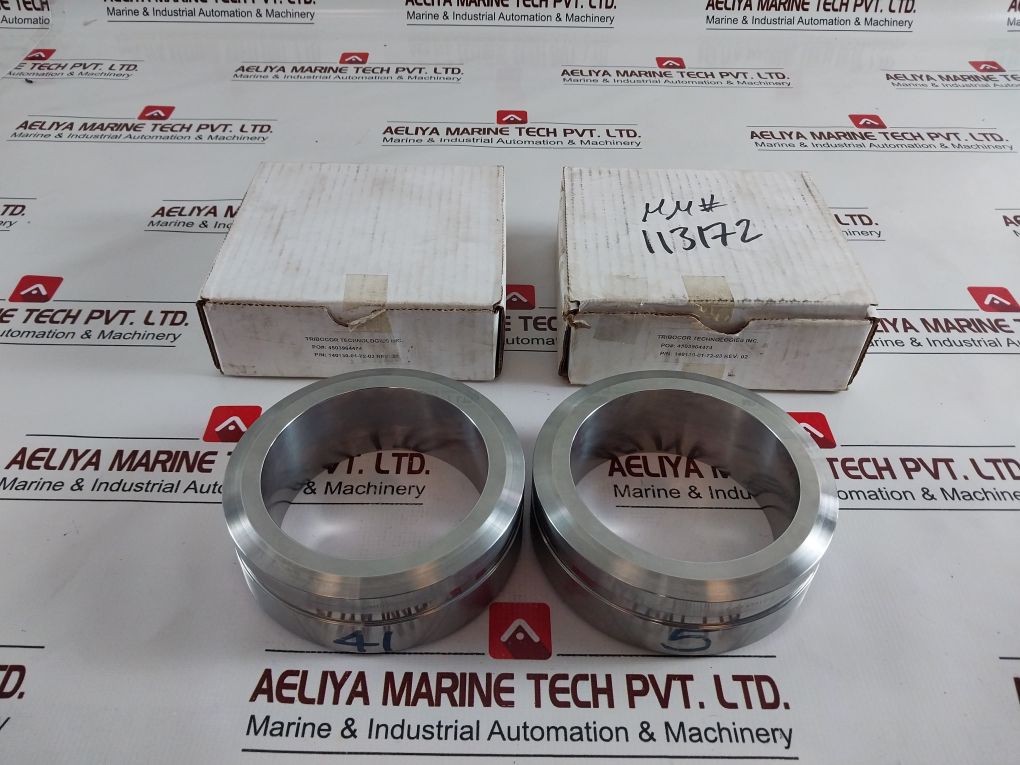
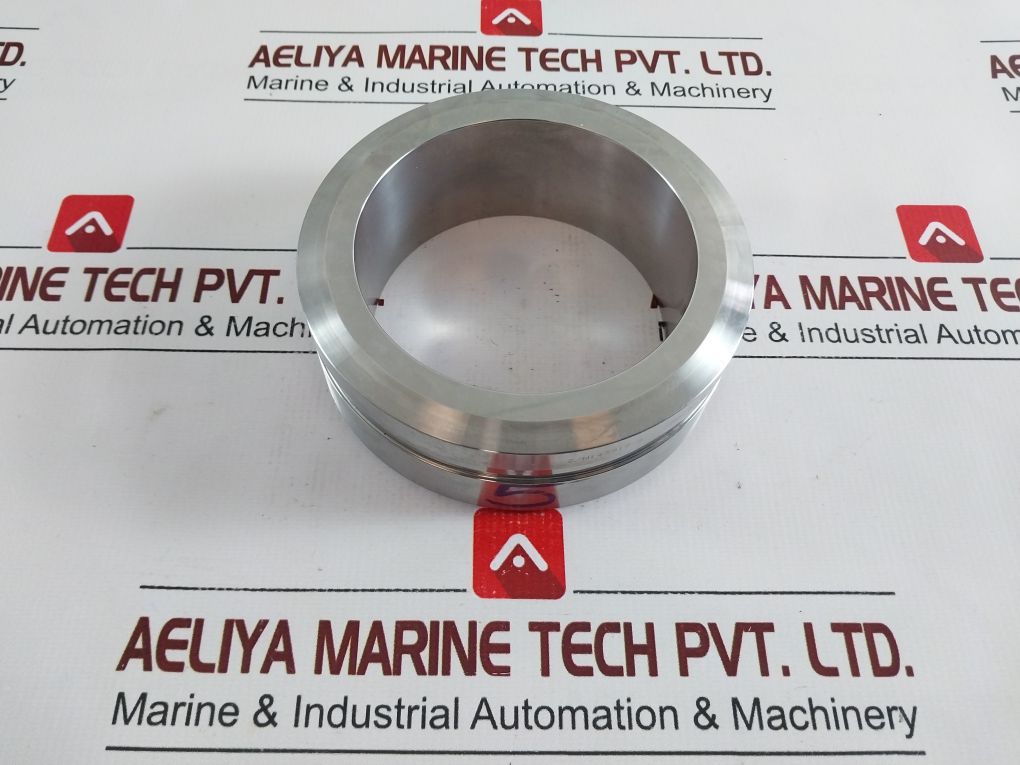
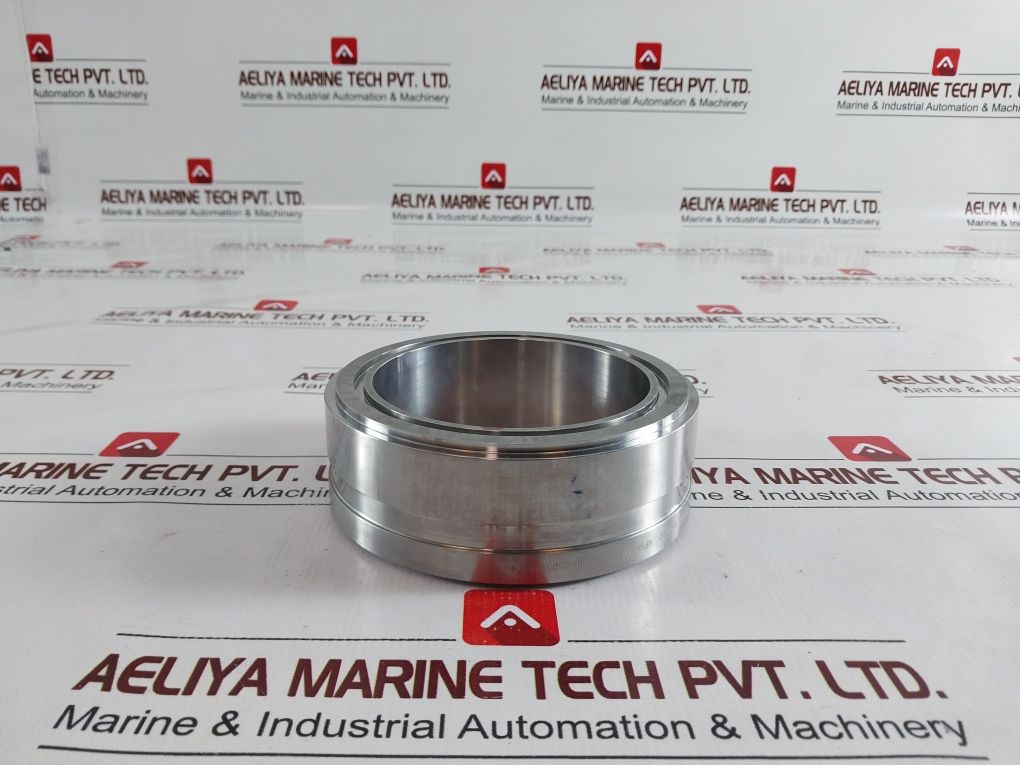
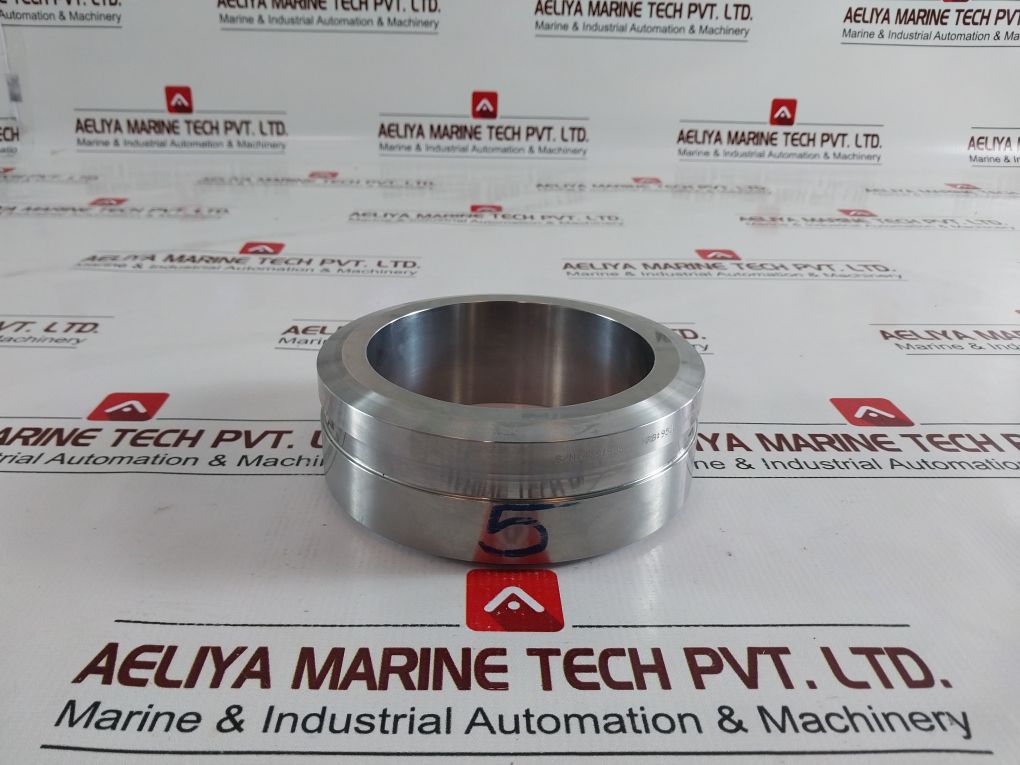
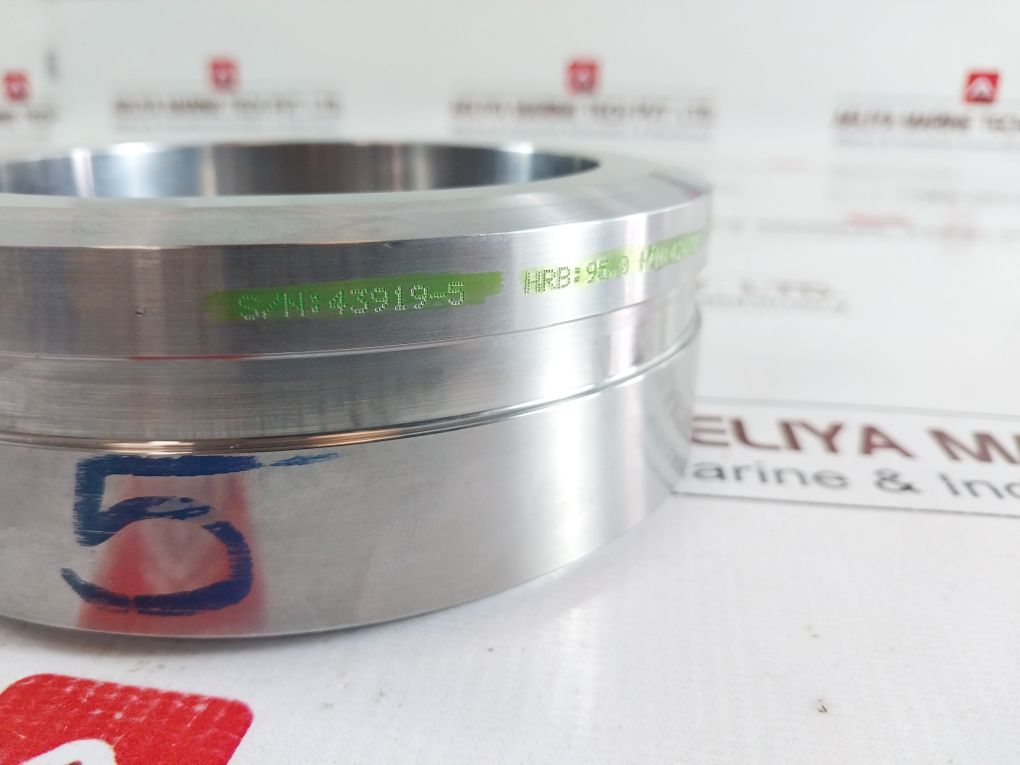
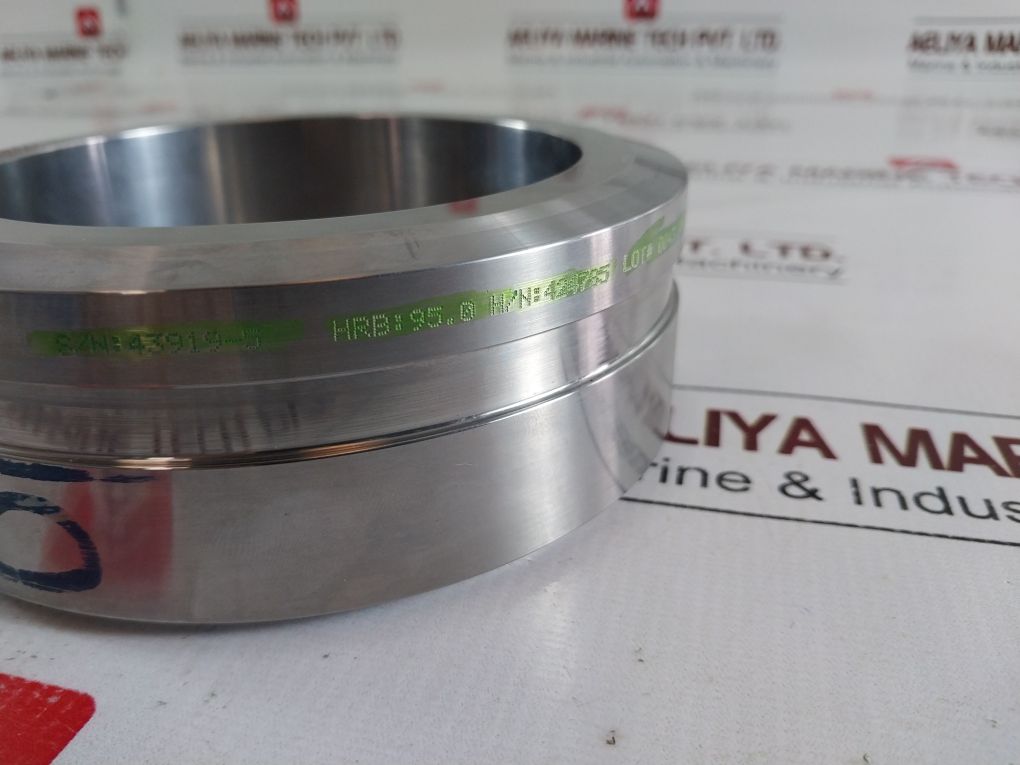
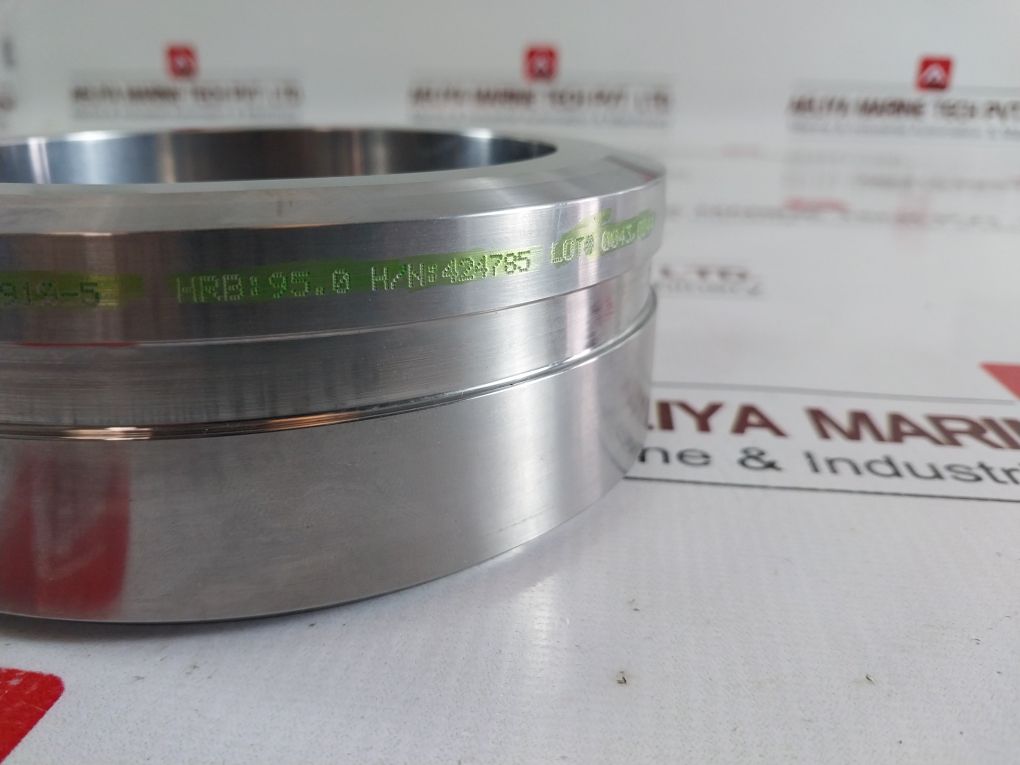
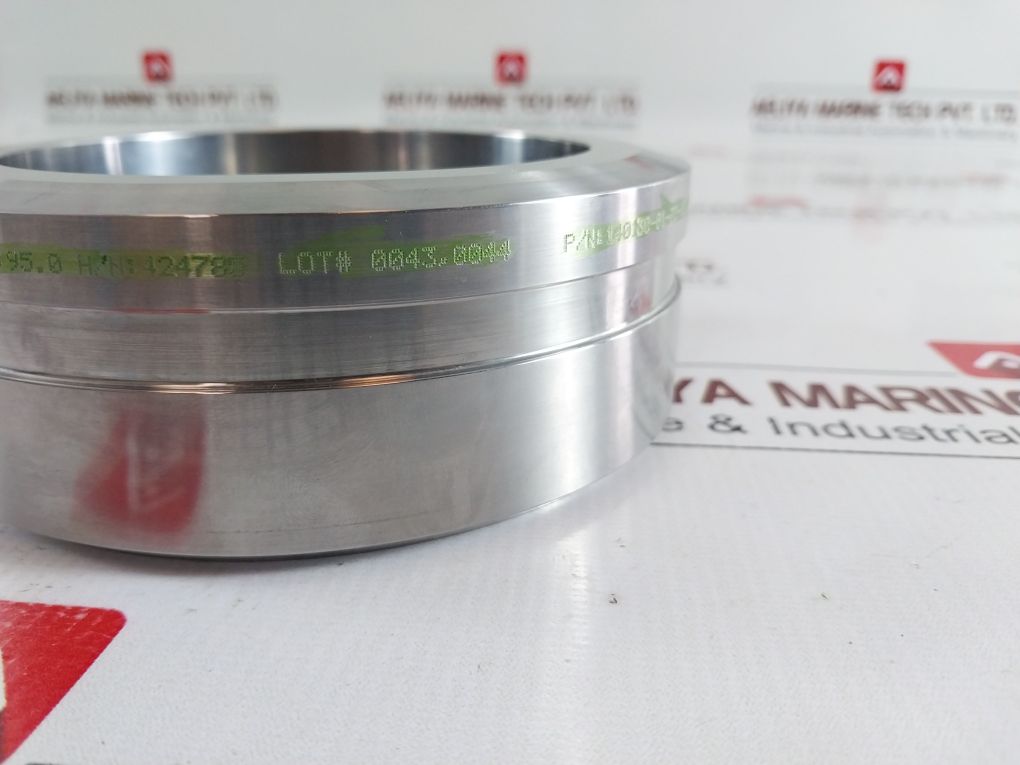
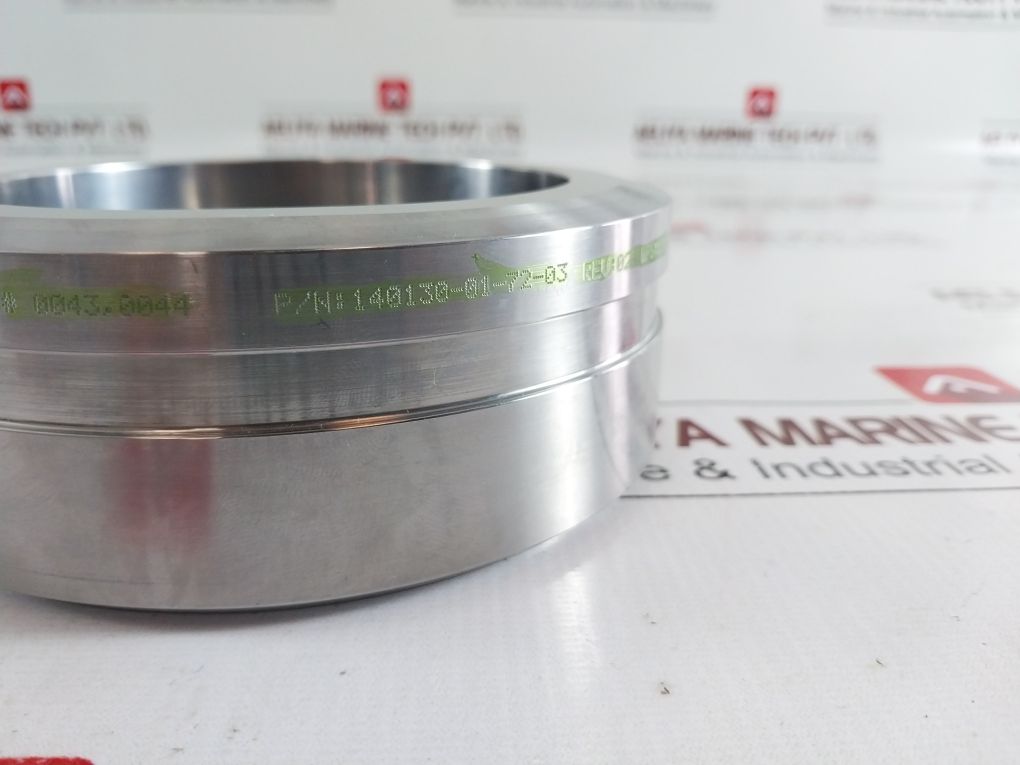
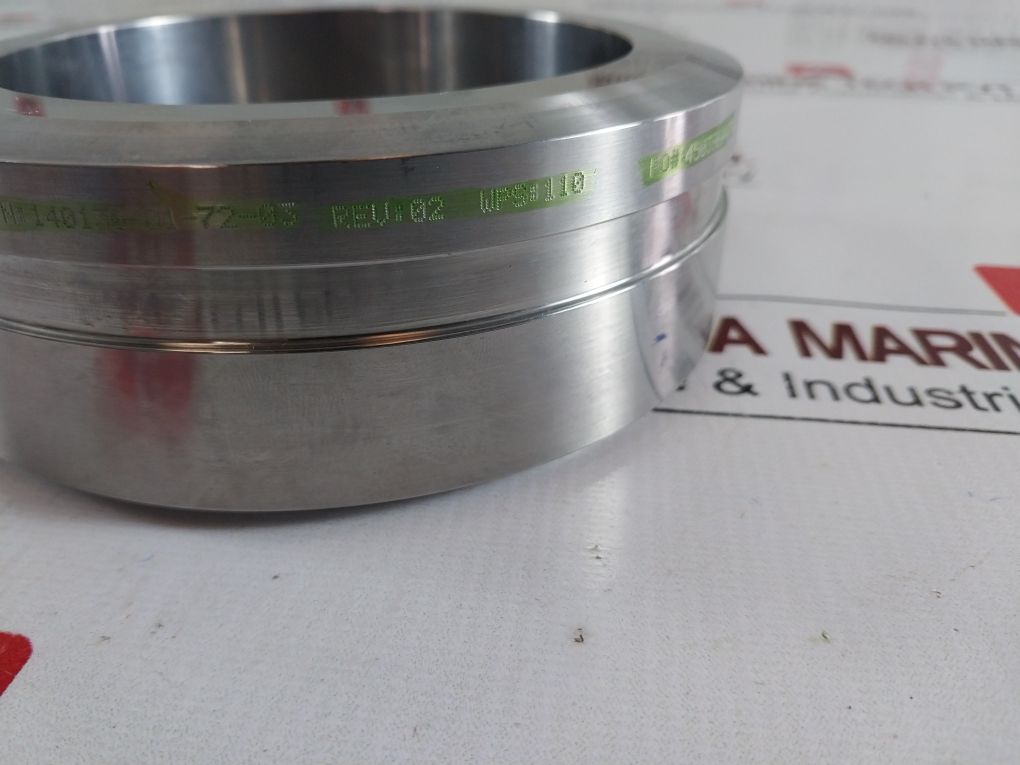
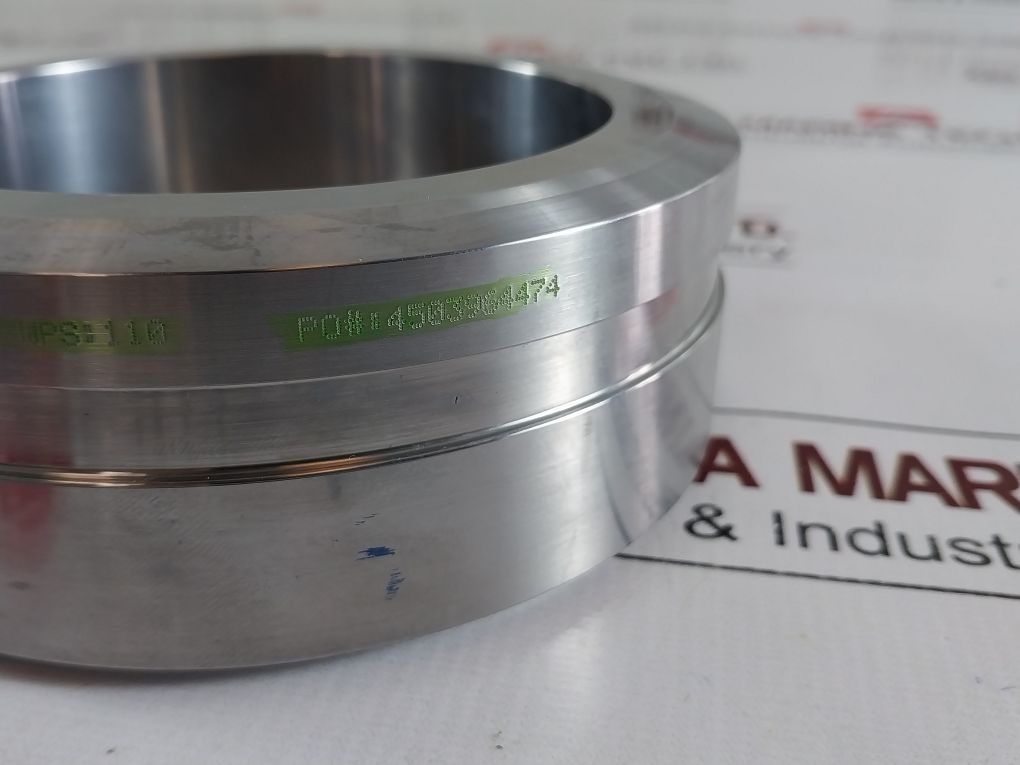

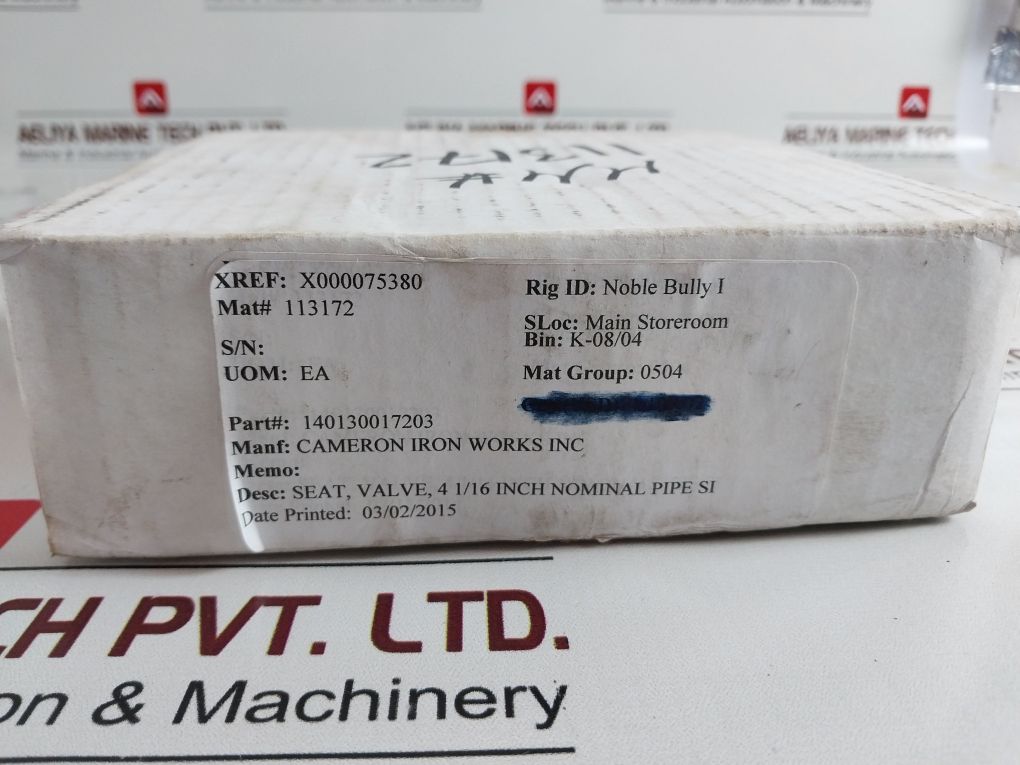
| Attribute | Value |
|---|---|
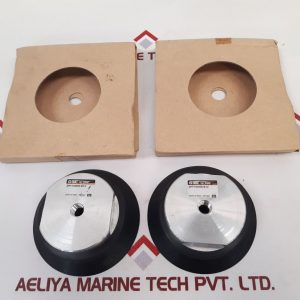
| Product Name | Tribocor 140130-01-72-03 Valve Seat |
| Brand | Tribocor Technologies Inc. |
| Manufacturer | Cameron Iron Works Inc. |
| HRB | 95.0 |
| H/N | 424785 |
| P/N | 140130-01-72-03 |
| Revision | 02 |
| WPS | 110 |
| Description | Seat, Valve, 4 1/16 Inch Nominal Pipe Si |
| XREF | X000075380 |
| Material Number | 113172 |
| Weight | 2.470 Kg |
| Condition | New (2 Pcs) |
| Ref No | 61196 |
What is the Tribocor 140130-01-72-03 Valve Seat?
The Tribocor 140130-01-72-03 Valve Seat is a precision-engineered seating component that provides tight sealing in valves operating in industrial, process, and marine applications. Made from high-strength materials with advanced coating technologies, it ensures extended life expectancy even in operational environments involving abrasive fluids, high pressures, or corrosive media.
Valve seats play a critical role in flow control, providing a proper seal surface for the valve plug, ball, or disc. This Tribocor model is unique because of its design accuracy, surface finish, and capability for maintaining seal functionality after long operation.
Key Features of Tribocor 140130-01-72-03 Valve Seat
1. High Wear Resistance
The advanced material composition used to manufacture Tribocor seats allows them to resist friction, abrasion, and high cycle counts. This extends the lives of valves even under harsh operating conditions.
2. Corrosion-Resistant Construction
Model 140130-01-72-03 resists rust, chemical attack, and moisture, making it suitable for marine and chemical environments where the components are exposed to corrosive agents.
3. Precision Machining
Each valve seat is manufactured within tight tolerances to meet for a perfect fit. This geometry provides increased sealing reliability and reduces leakage.
4. Thermal Stability
It maintains structural integrity during fluctuating temperature ranges without distortion, with consistency in flow control.
5. Low Maintenance Design
Its robust build reduces the frequency of replacements and repair cycles, hence it is cost-effective for long-term use in an industrial setting.
6. Compatibility With Several Types of Valves
Designed to integrate with industrial valves such as control valves, safety valves, shut-off valves, and process valves.
Applications of the Tribocor 140130-01-72-03 Valve Seat
The Tribocor valve seat lends itself to versatility for many industries, especially in those areas where reliability and precision are of utmost importance.
1. Marine Mechanical Systems
Used in pumps, compressors, and fluid control systems on ships and offshore platforms.
2. Oil & Gas Industries
Ideal applications are high-pressure valves applied in drilling systems, refineries, and petrochemical plants.
3. Chemical Processing Plants
Suitable for valves handling corrosive fluids or aggressive chemicals.
4. Power Generation Units
Applied in steam, water, and cooling systems where durable seal components are called for.
5. Industrial Manufacturing Machinery
Applied in pneumatic, hydraulic, and automated flow control systems where consistent valve performance is required.
6. Water Treatment & Filtration Plants
Ensures dependable operation in systems subjected to widely ranging pressures and contaminants.
Why Choose the Tribocor 140130-01-72-03 Valve Seat?
1. Proven Durability
This valve seat offers a long service life to minimize plant downtime and the expenditure associated with frequent replacements.
2. Better Sealing Performance
Precision-engineered surface for minimal leakage and optimal flow control.
3. Quality of Tribocor You Can Trust
Tribocor stands for high-performance industrial components manufactured according to uniformly high standards of quality.
4. Ideal for Harsh Environments
It is reliable for marine, offshore, and chemical sectors because of its resistance to corrosion, wear, and temperature variation.
5. Cost-Efficient Over Time
Although built with advanced materials, the lower maintenance needs and long life provide excellent value.
6. Supports Operational Safety
Leak-tight performance decreases risks by protecting critical systems from operational hazards.