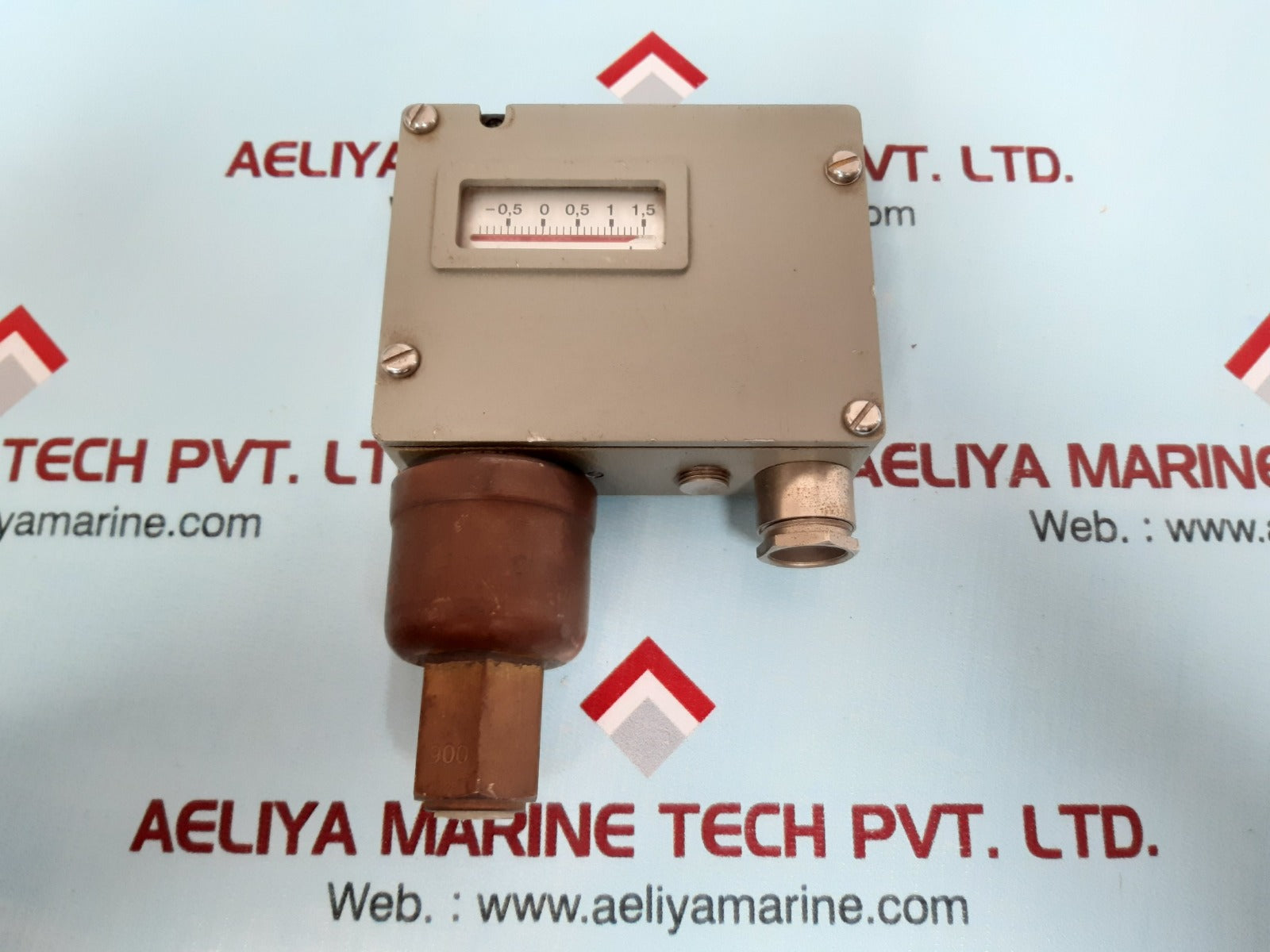
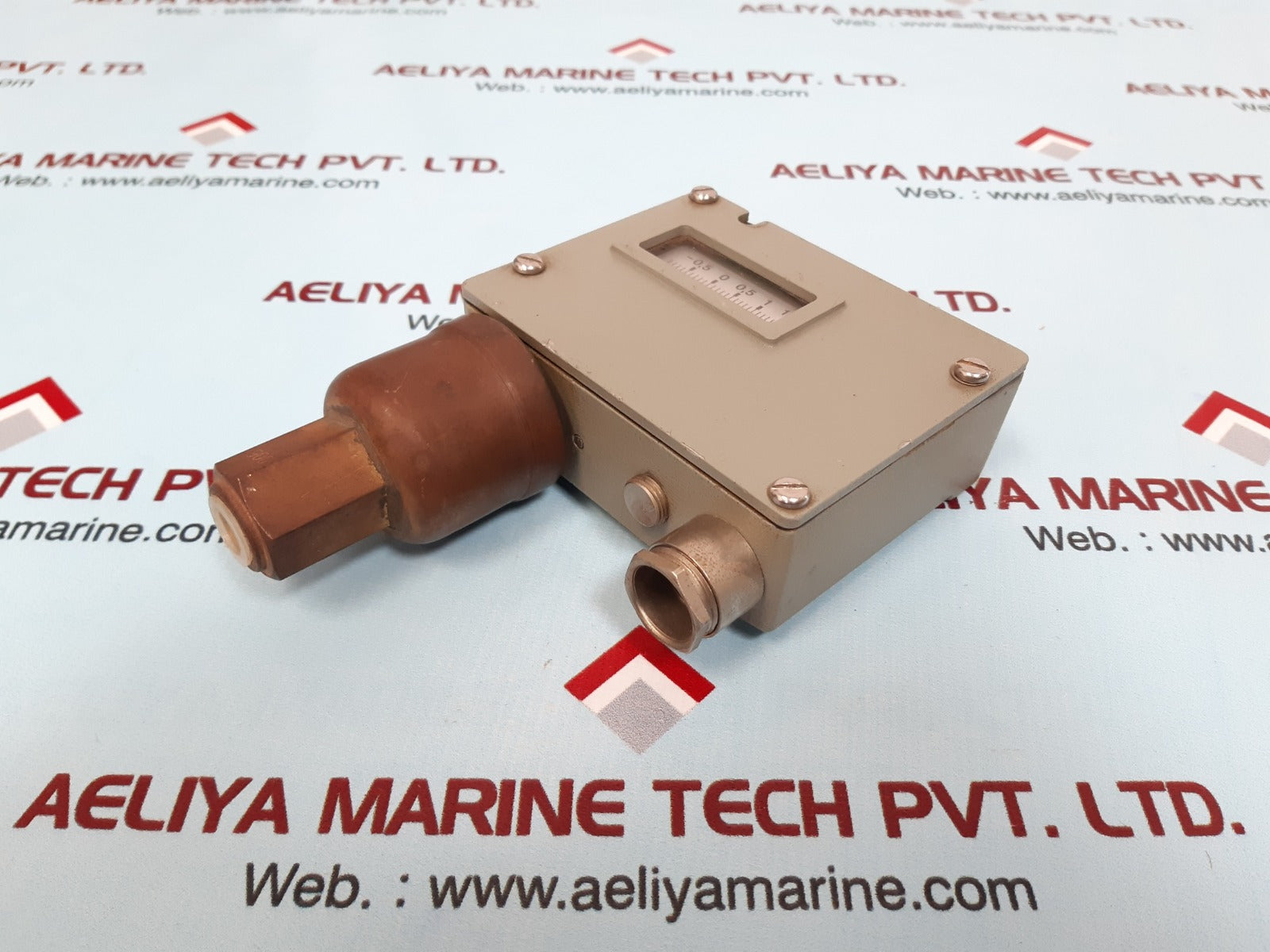
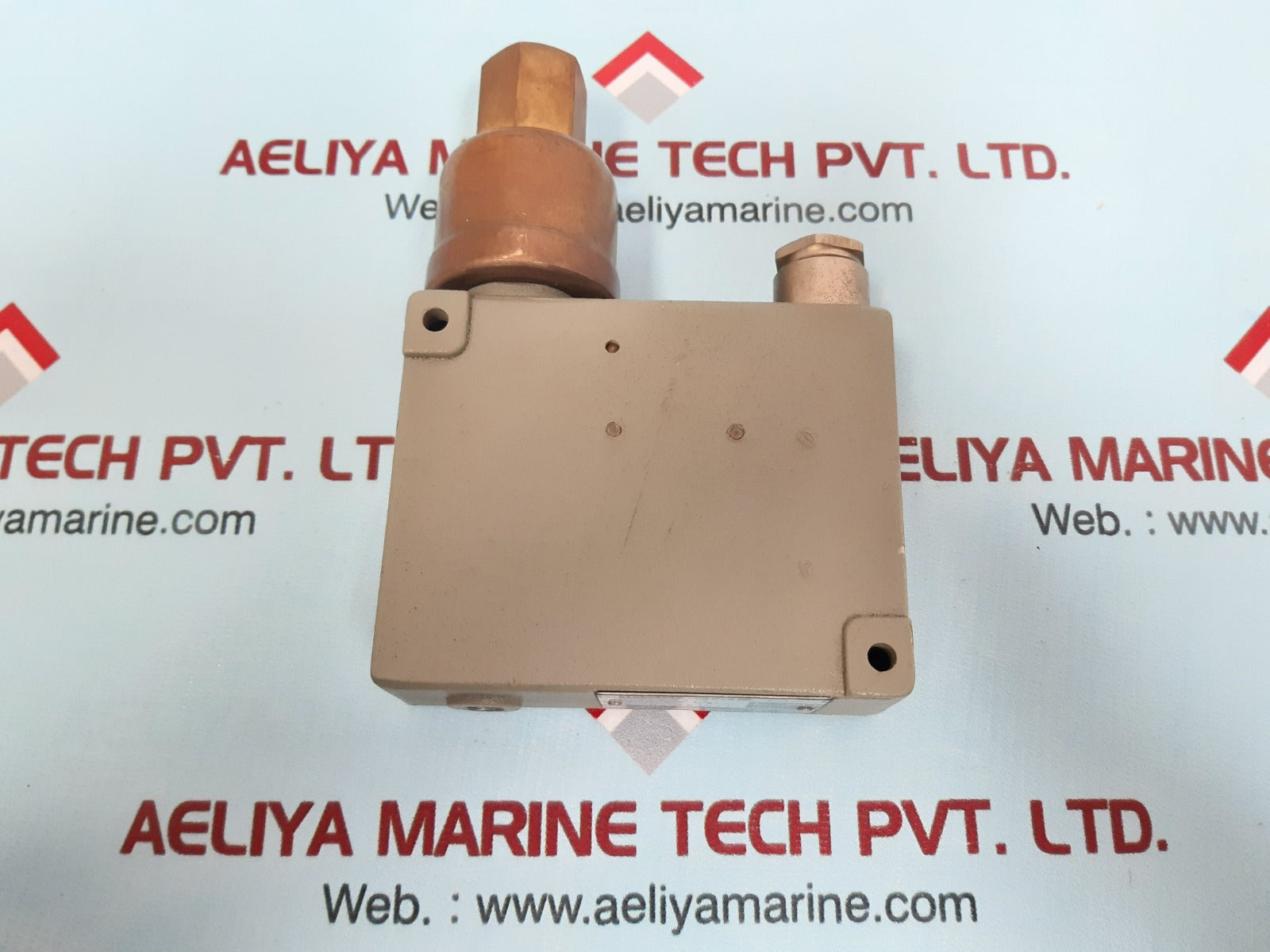
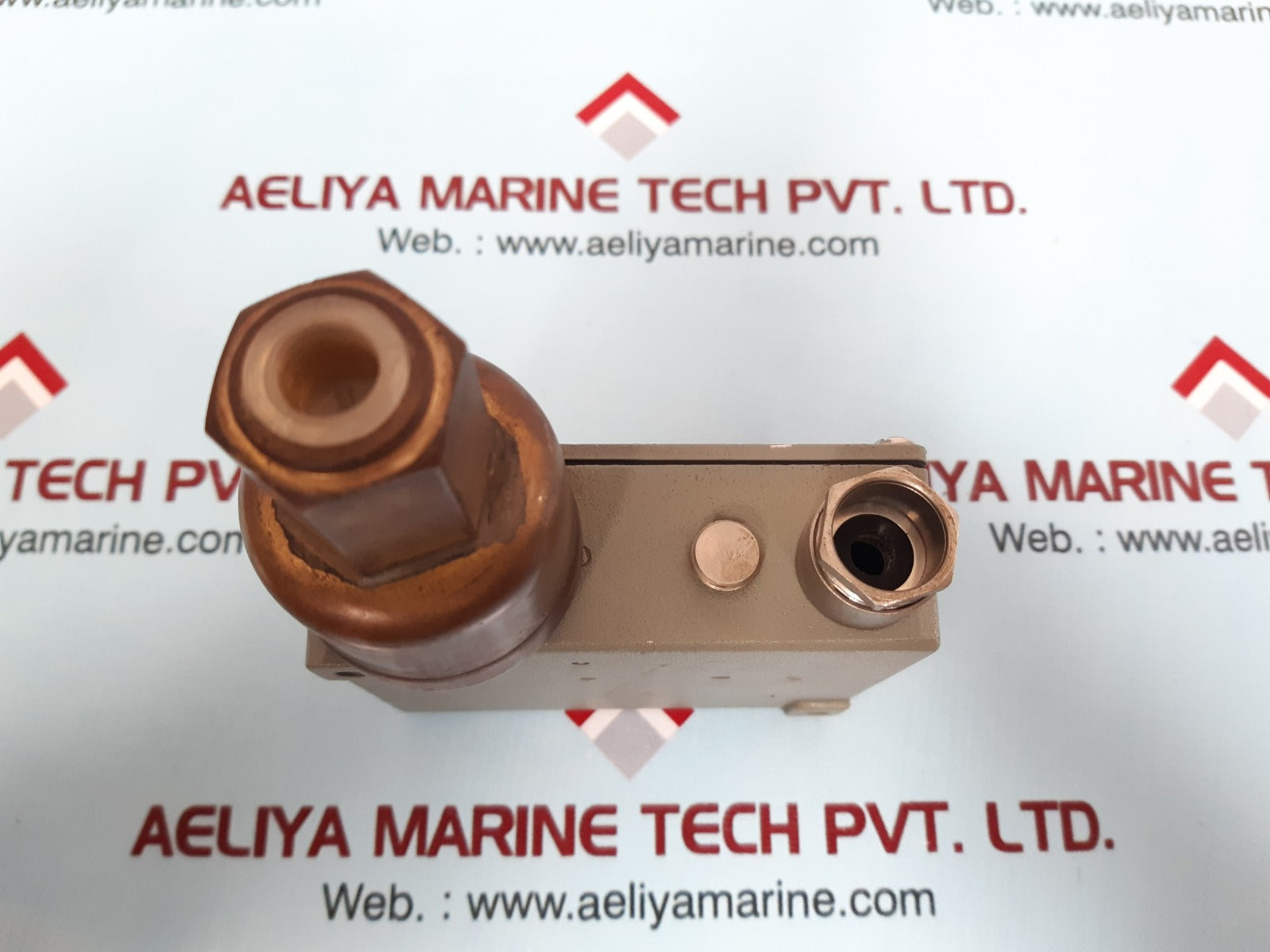
| Trafag 940.2372 Pressure Switch Specifications | |
|---|---|
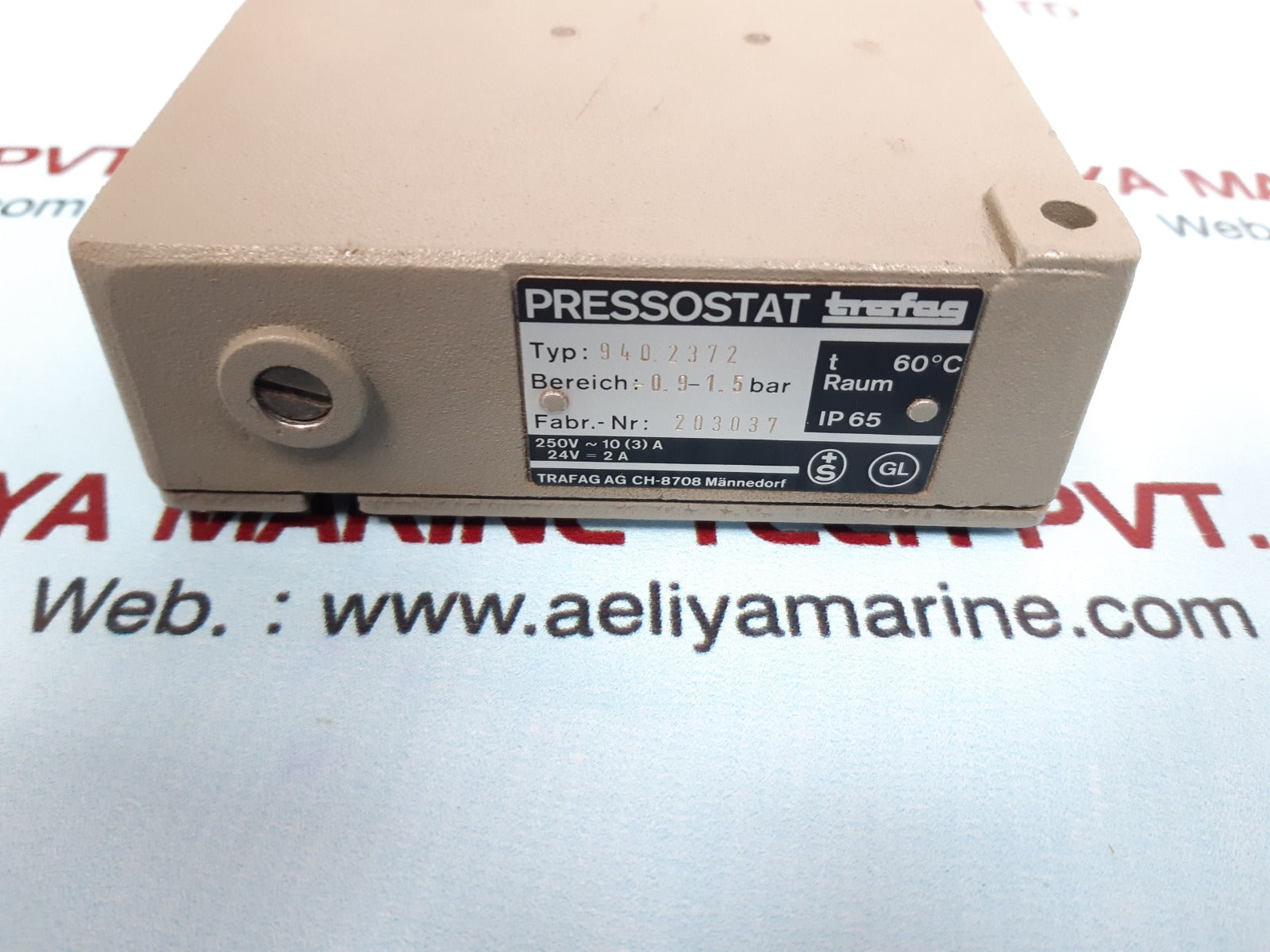
| Type | 940.2372 |
| Pressure Range | 0.9-1.5 bar |
| Serial No. | 203037 |
| Voltage/Current | 250V ~ 10(3)A, 24V=2A |
| Temperature Rating | T 60ºC |
| Installation Location | Raum |
| Protection Class | IP65 |
| Manufacturer | Trafag AG CH-8708 Mannedorf |
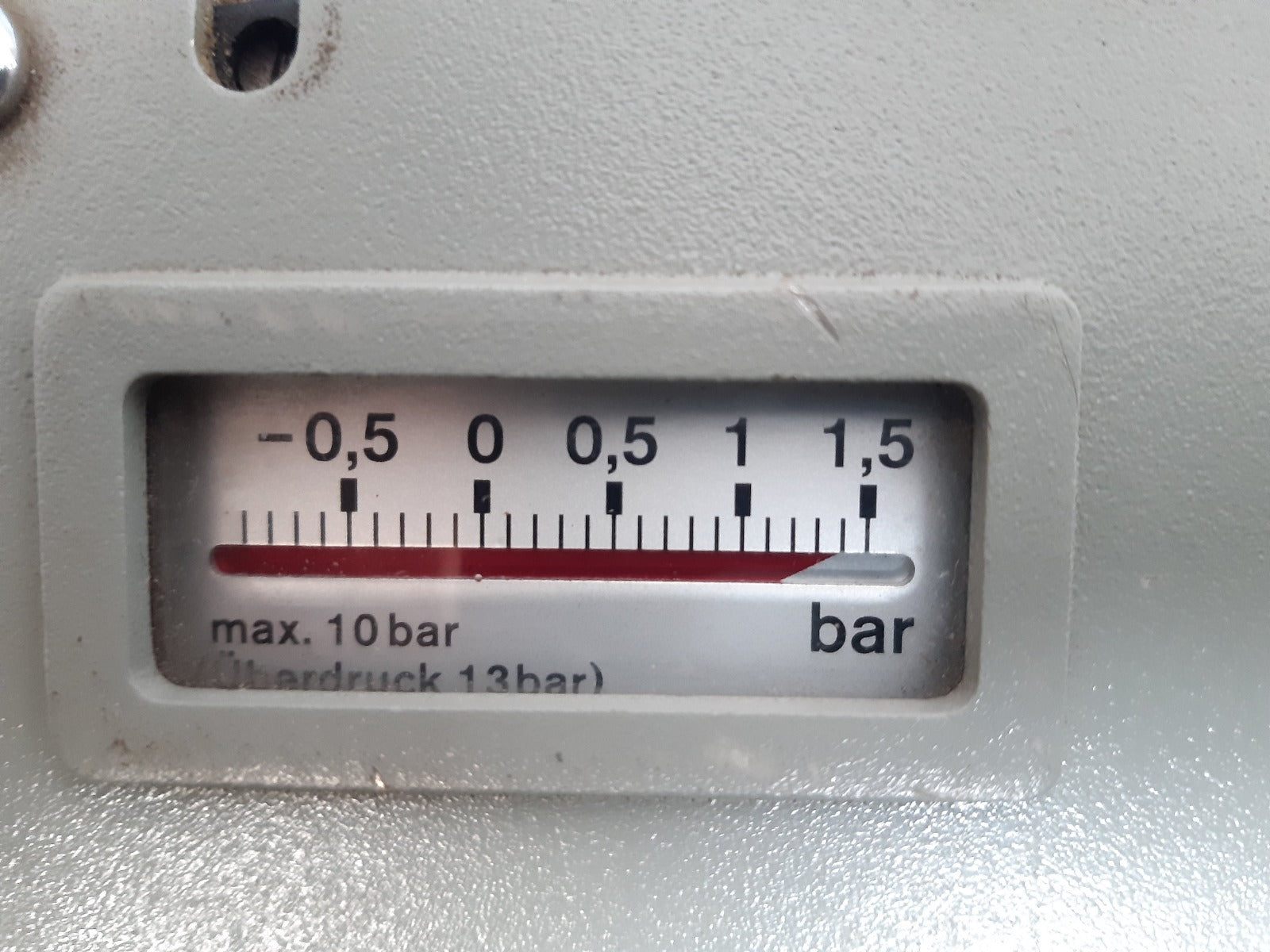
| Adjustable Range | -0.5 – 1.5 bar |
| Maximum Pressure | Max. 10 bar (Überdruck 13 bar) |
| Weight | 800 gm |
What is the Trafag 940.2372 Pressure Switch?
The Trafag 940.2372 is an industrial-grade pressure switch that delivers precision and reliability. Made by Trafag, a well-established company dealing in sophisticated sensor technology and monitoring instruments, the Trafag 940.2372 operates electrical circuits when pressure levels attain or exceed specified limits. Since its range stands between 0.9 and 1.5 bar, this switch will prove to be most useful in applications where highly sensitive pressure management is required.
Main Features and Specifications
Pressure Range: 0.9 to 1.5 bar
Precision: Provides for great accuracy and repetition
Build: Strong structure built to handle a harsh environment
Electrical Connections: Able to handle high or low electrical currents
Adjustments: Is adjustable and set easy for desired application in systems
Applications in Industries
Due to the diversity that the Trafag 940.2372 pressure switch features, it finds its usage in many different kinds of industries. Some of its most frequent usage includes:
HVAC Systems: Maintains the heating, ventilation, and air conditioning systems at optimal pressure to function.
Pneumatic Systems: Maintains the right air pressure in tools and equipment to avoid over-pressurization.
Water Management: It is applied in water treatment plants to ensure that the right pressure levels are achieved in the pipelines.
Advantages of Selecting the Trafag 940.2372
There are several advantages associated with the selection of the Trafag 940.2372 for your pressure management requirements:
Increased Safety: Proper pressure levels help to avoid equipment failures and accidents.
Increased Efficiency: Proper pressure levels mean better performance and less energy consumption.
Economical: Maintenance costs are reduced as it reduces wear and tear on components.