
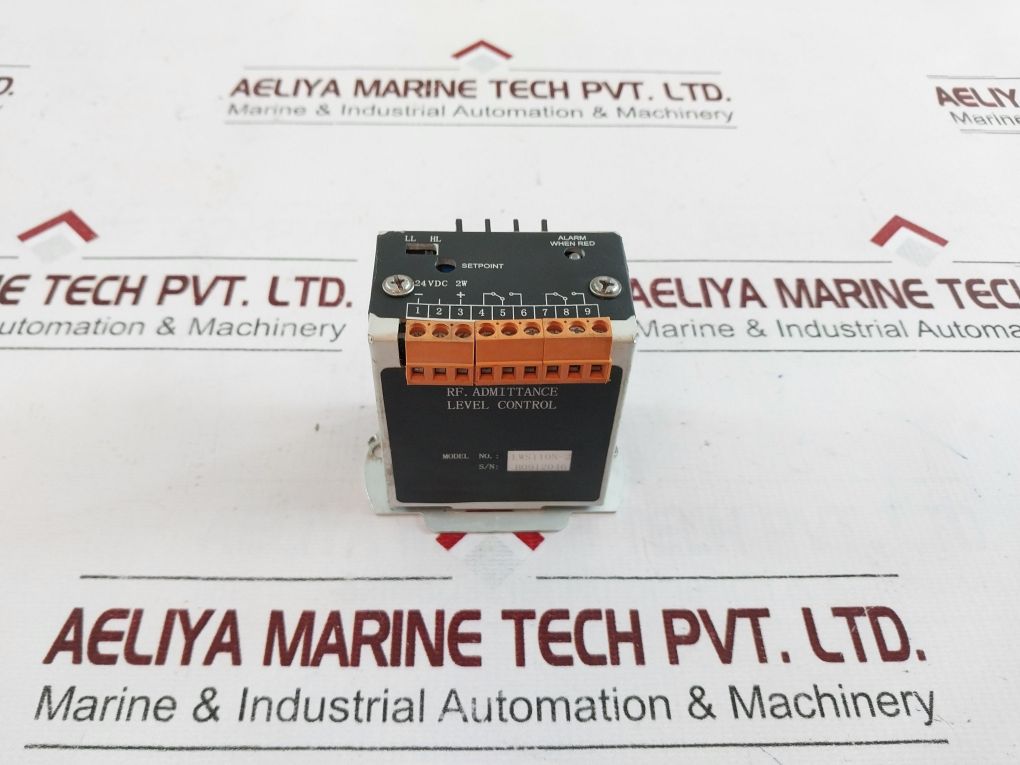
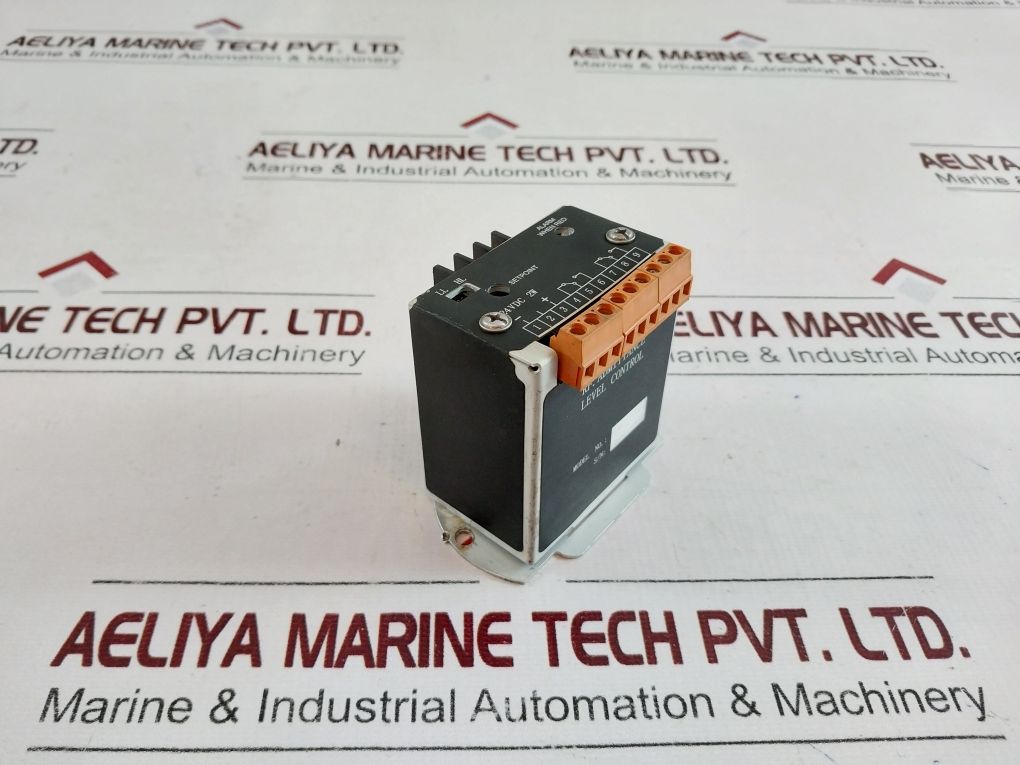
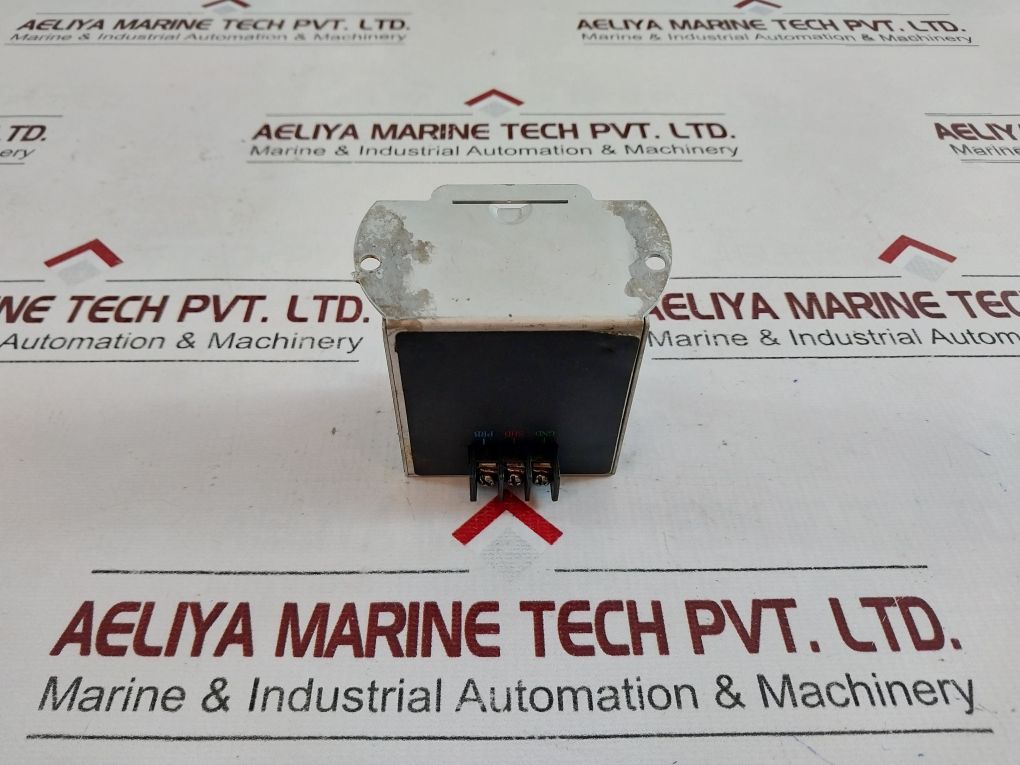
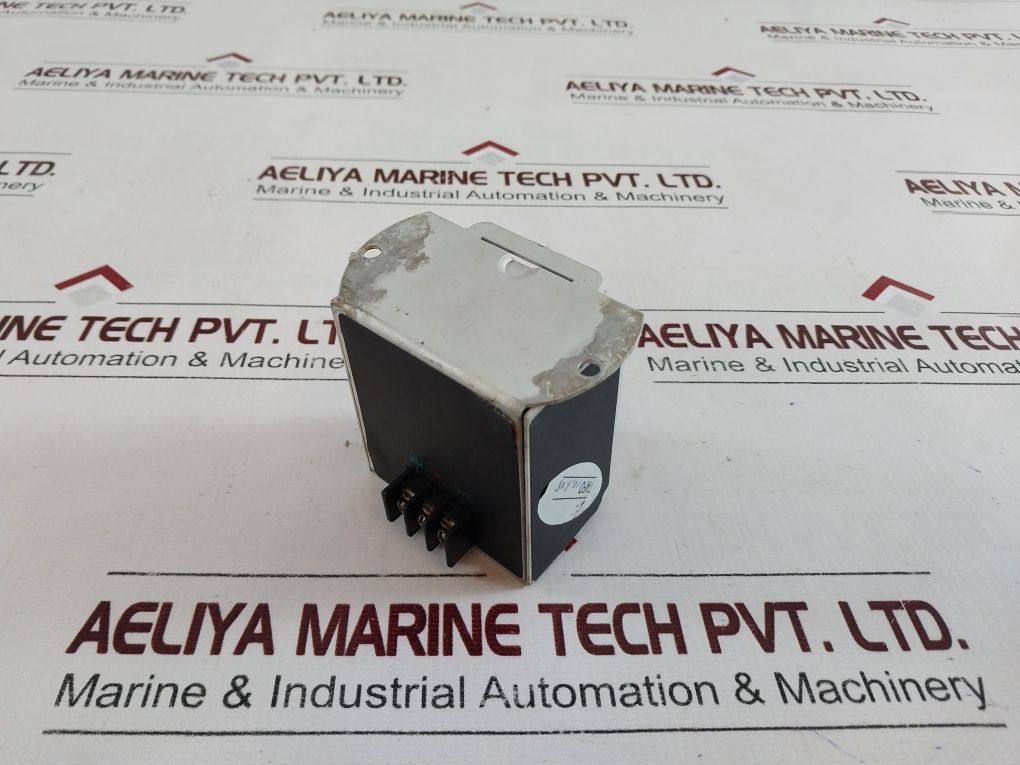
| Attribute | Value |
|---|---|
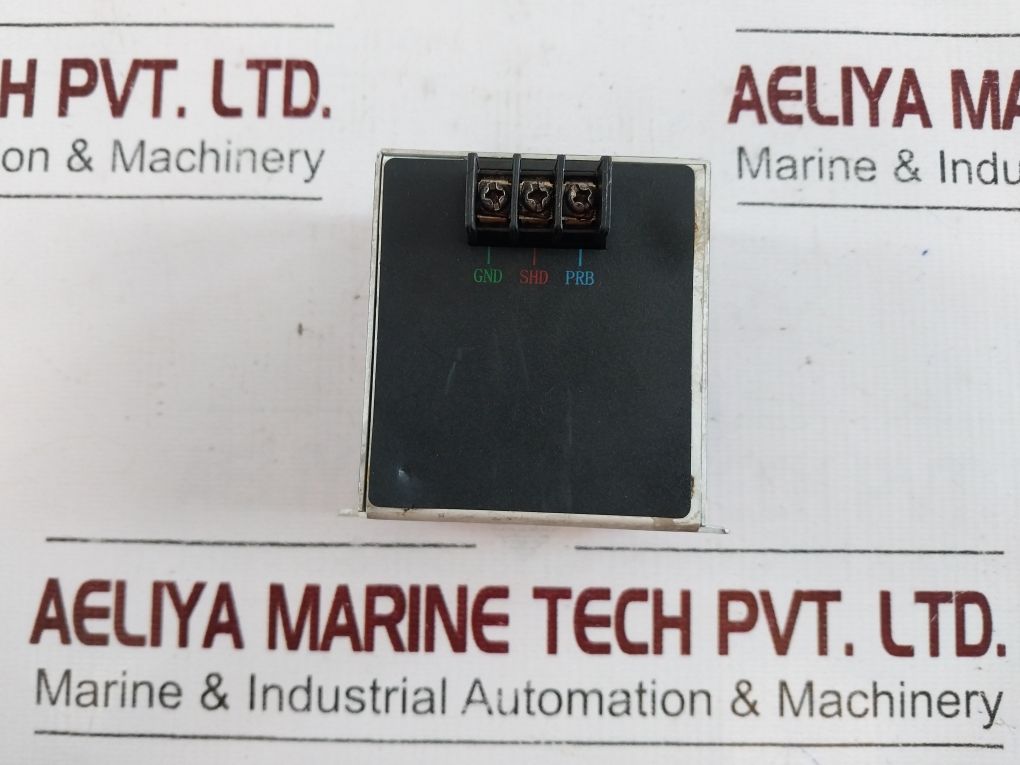
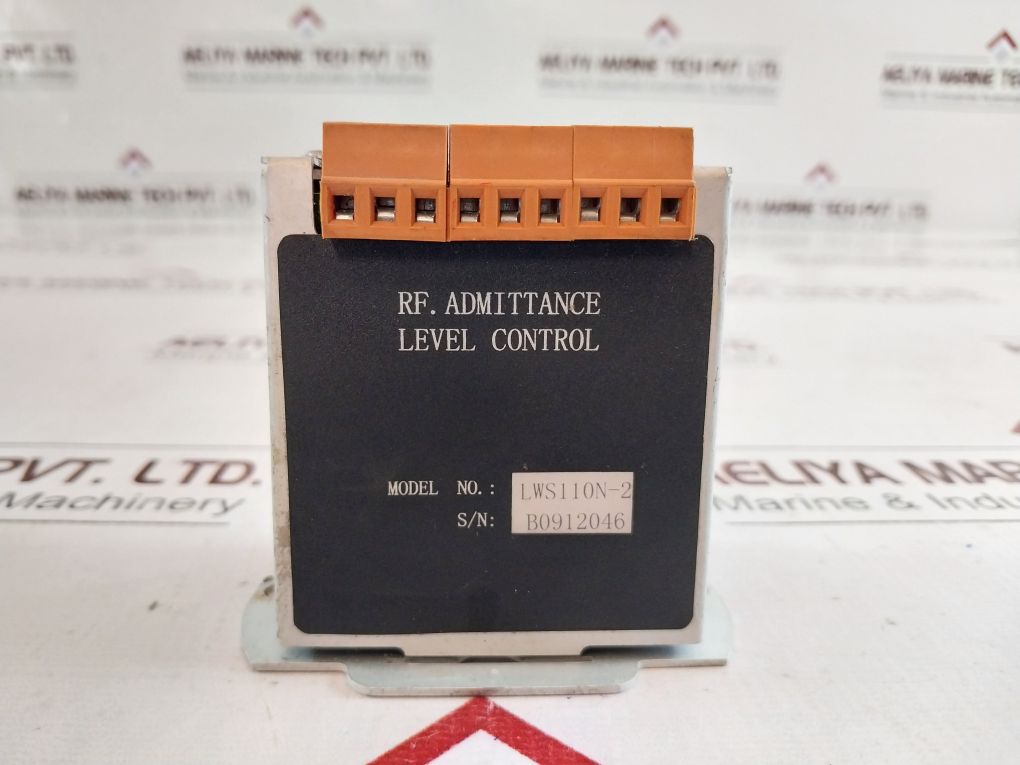
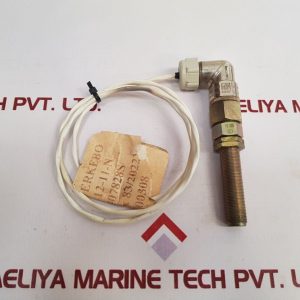
| Product Type | RF. Admittance Level Control |
| Model No | Lws110n-2 |
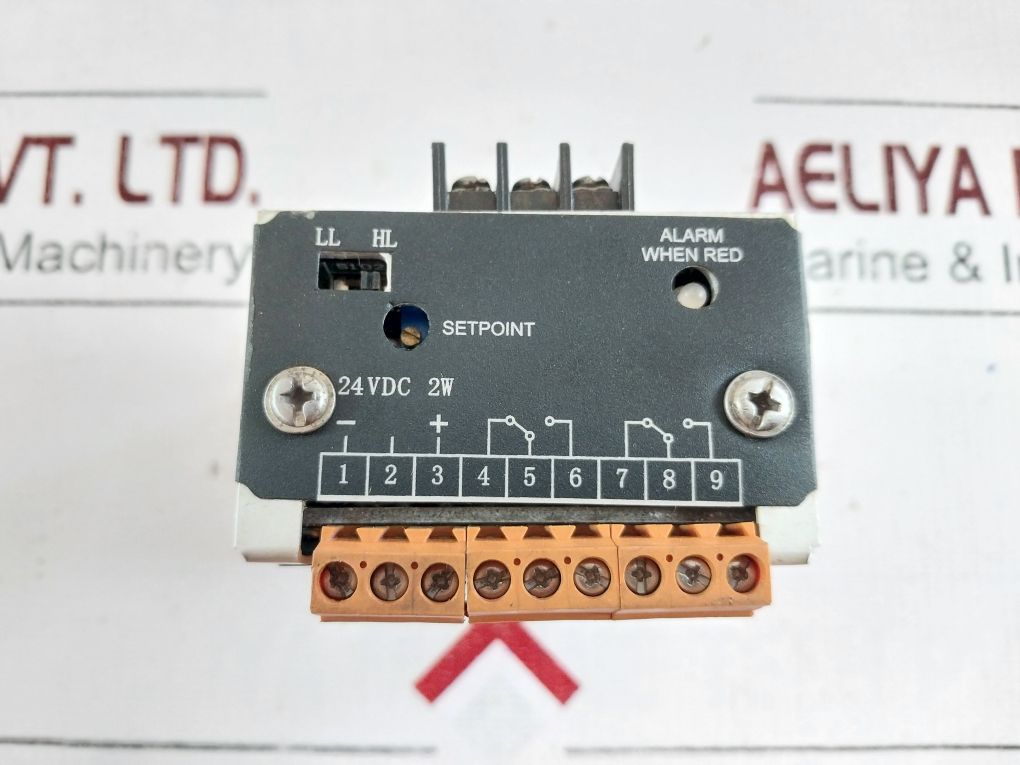
| Voltage | 24VDC |
| Power Consumption | 2W |
| Weight | 170 GM |
| Reference No | 68064 |
What is the LWS110N-2 RF Admittance Level Switch?
The LWS110N-2 is a heavy-duty RF admittance level switch that makes use of radio frequency (RF) technology to sense the presence or lack of material at a specified location in a tank or vessel. RF admittance measurement is famous for its capability to tackle difficult applications, like sticky or conductive materials, without sacrificing accuracy or reliability.
Key Features of LWS110N-2
RF Admittance Technology: Offers precise level detection regardless of material accumulation, humidity, or conductivity.
High Sensitivity & Stability: For broad applications to bulk solids, liquids, and slurries.
Fail-Safe Design: Offers high-reliability operation for mission-critical use.
Easy Calibration: Rapid and inconvenience-free setup minimizes downtime.
Compact & Durable Construction: Designed to endure rugged environments with temperature, pressure, or chemical exposure.
Working Principle
The LWS110N-2 is an RF admittance-type probe. A probe sends a low RF signal which varies when material touches it. The variation in admittance (capacitance and conductance) is sensed and compared with the preset threshold to decide whether material level has gone up to it or not. The technique works well even when the material is sticky, powdery, or forms buildup on the sensor.
Applications of LWS110N-2
This level switch is universally applied in most industries because of its flexibility and dependability. Some of the typical applications include:
Chemical Processing: Level monitoring of corrosive or toxic liquids in tanks.
Food & Beverage Industry: Maintaining hygiene and accuracy in ingredient silos or liquid storage.
Cement & Construction: Applied in cement silos and fly ash tanks where dust accumulation is prevalent.
Water Treatment Plants: Regulating sludge and other mixed media.
Pharmaceuticals: Handling granular or powder materials with high precision.
Benefits of RF Admittance Level Control
In contrast to conventional float or ultrasonic level switches, RF admittance has a number of advantages:
Coating and Buildup Immunity: Suitable for viscous or sticky media that would otherwise impair performance.
No Moving Parts: Eliminates mechanical failure and maintenance expenses.
Very Versatile: Can be applied to both conductive and non-conductive materials.
Reliable under Harsh Conditions: Performs well under extreme temperature, pressure, or vibration conditions.
Technical Specifications (Typical Values)
Power Supply: 24V DC or 110-220V AC (model dependent)
Output: SPDT relay or 4-20 mA current output
Temperature Range: -40°C to +200°C (dependent upon probe type)
Pressure Range: Up to 40 bar
Enclosure Rating: IP65 or IP67 (weather resistant)
Why Choose LWS110N-2 for Your Application?
In industrial settings where reliability, accuracy, and longevity are important, the LWS110N-2 RF admittance level switch is a wise investment. Its technology is designed to minimize false alarms, and its sturdy design guarantees long-term operation even in harsh process conditions.
For industries looking to upgrade their level control sensors, the LWS110N-2 is a proven and versatile choice.
Reviews
There are no reviews yet.