| Attribute | Value |
|---|---|
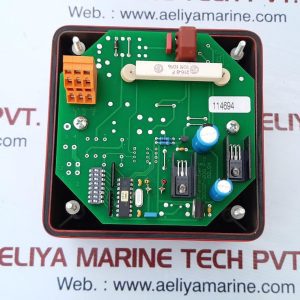
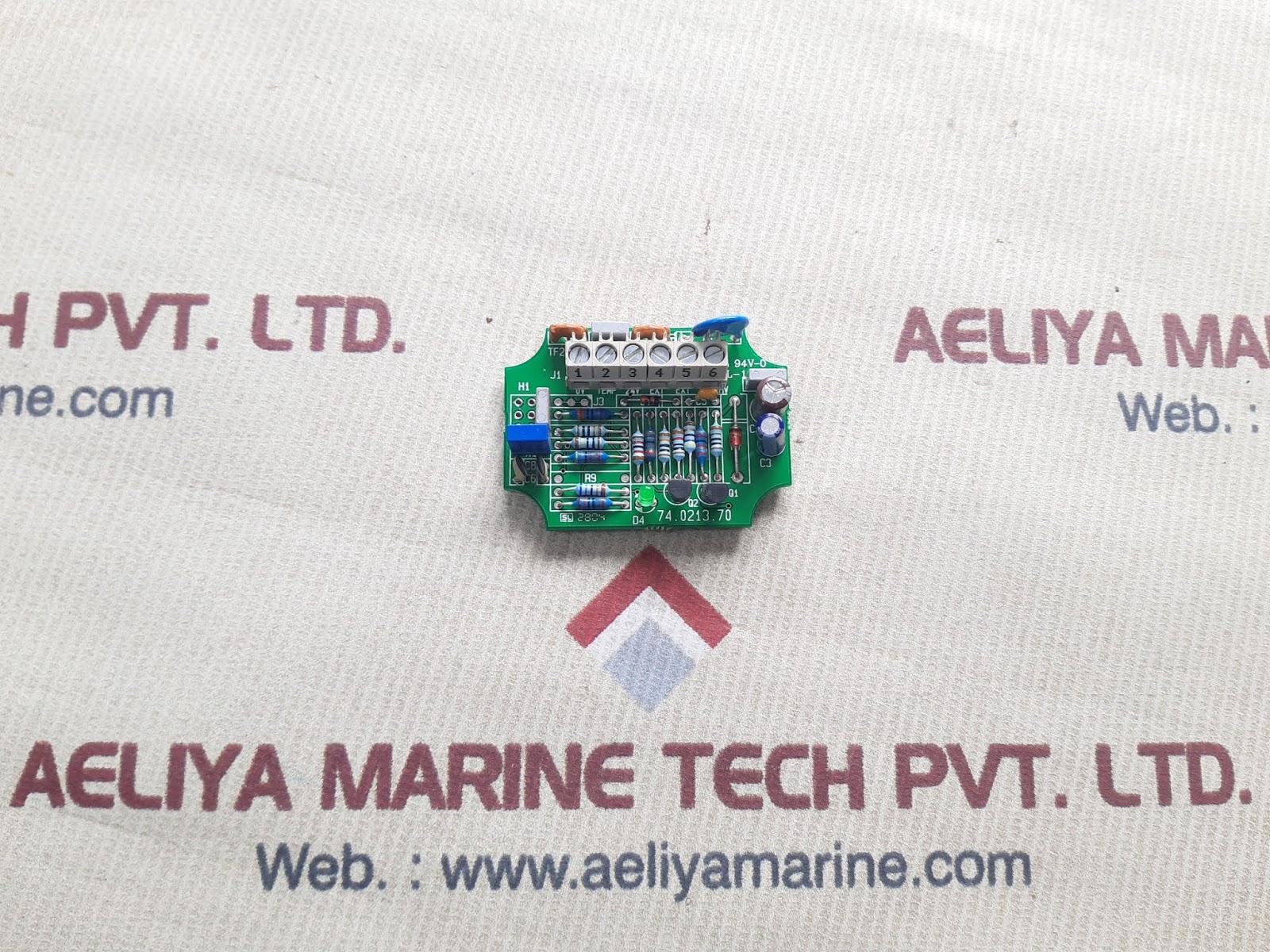
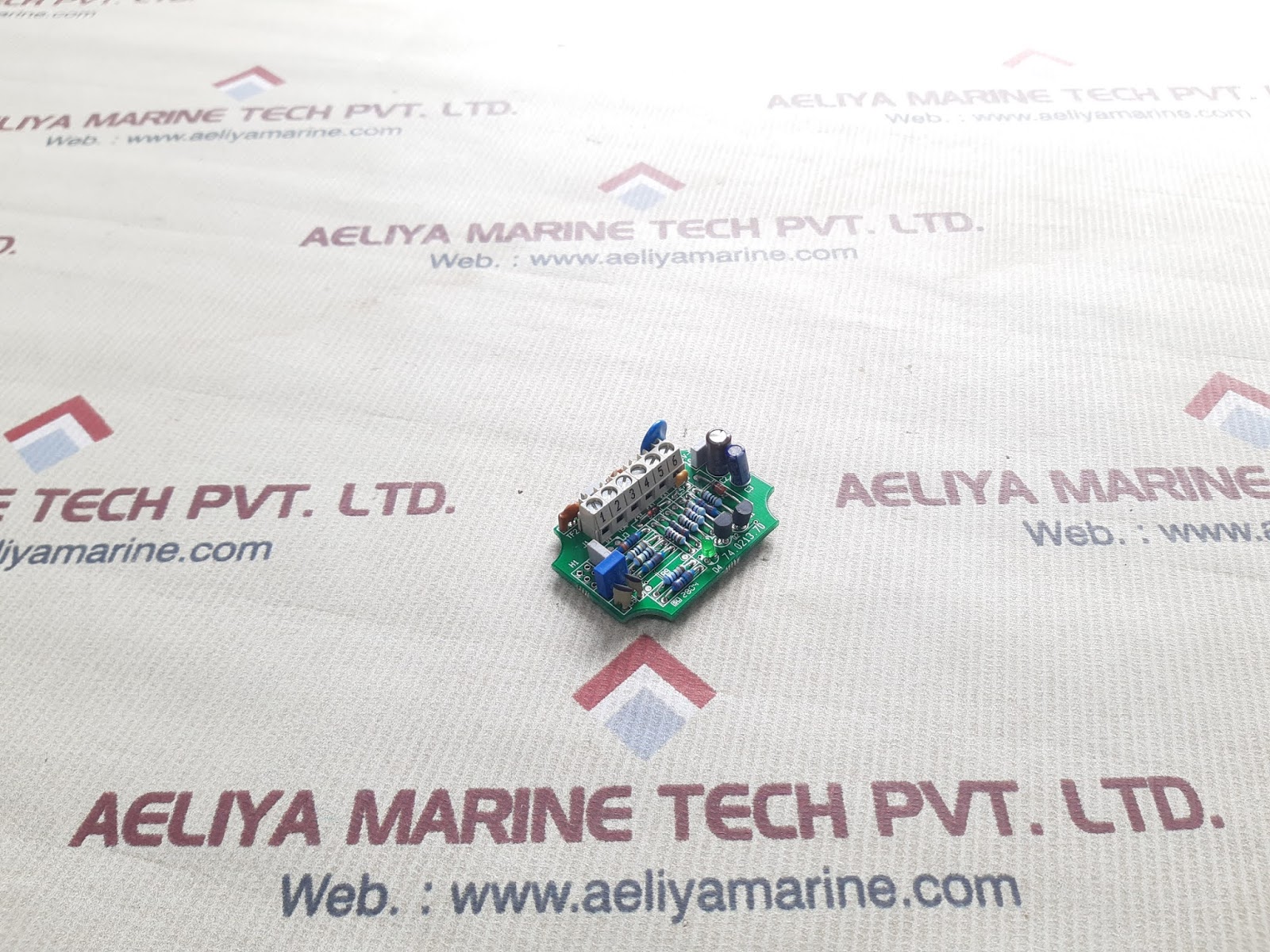
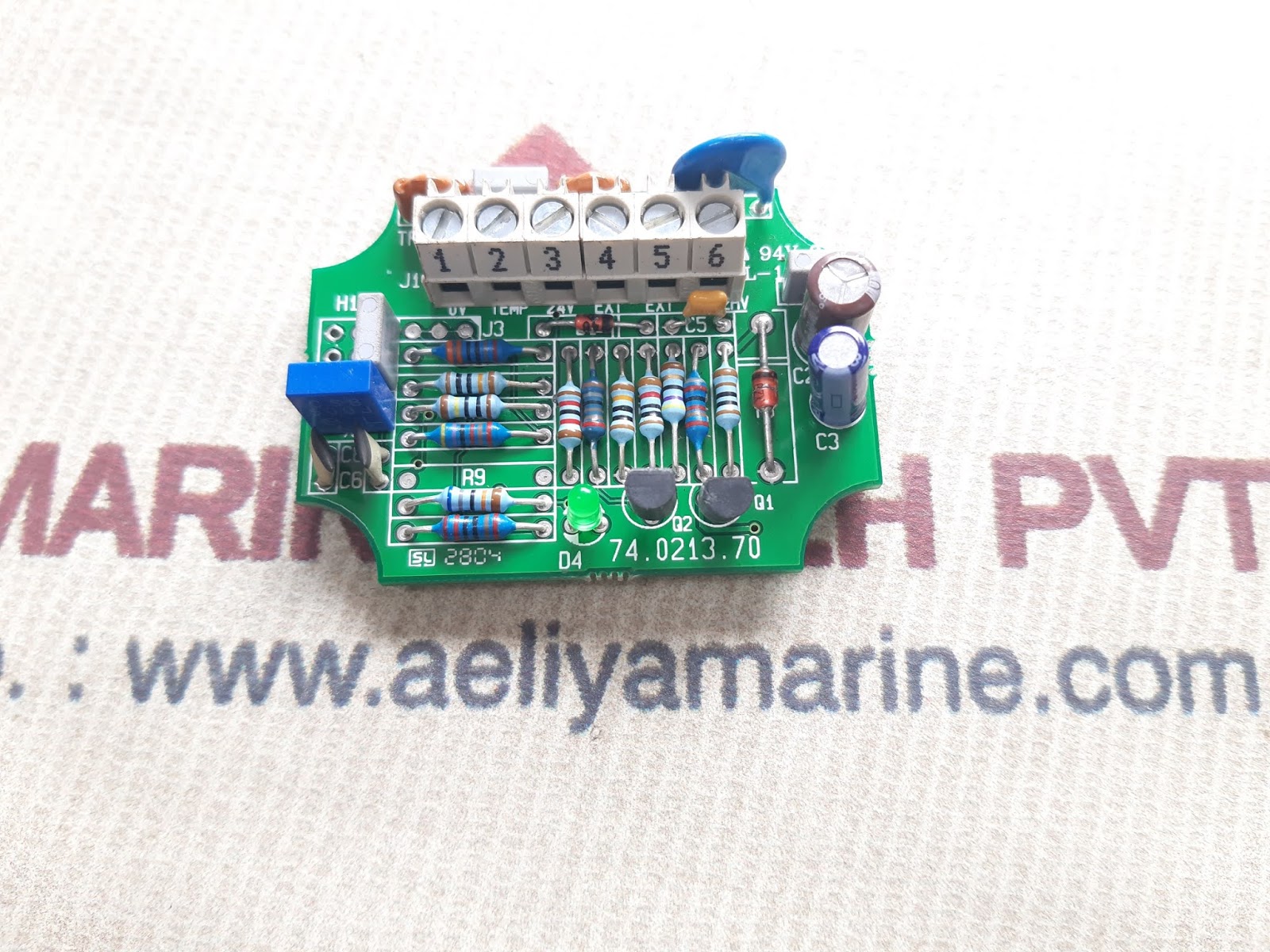
| Dpd 97200 | pcb card |
| sl-101 | 74.0213.70 |
| 74.0213.70 | 94v-0 |
| sl-101 | 2804 |
| dpd 97200 | 0610 |
| weight | 0.035gm |
Understanding the Fundamentals
A PCB, in essence, is an insulating material board used to support and interconnect electronic components via conductive paths. The DPD 97200 PCB card is a specialized application of the PCB used for particular purposes in electronic systems. The SL-101 would denote a particular model or version of the card, whereas the 74.0213.70 code could denote a specific batch, revision, or manufacturing detail.
Features and Functionalities
Although specific details might differ, the DPD 97200 PCB card most probably supports a variety of features, such as:
Microcontroller or Processor: This is the intelligence of the card, which carries out instructions and regulates different functions.
Memory: This stores data and programs for the operation of the card.
Input/Output Interfaces: These facilitate the card to accept data from outside and send processed information.
Communication Protocols: The card can be equipped with some communication protocols, like UART, SPI, or I2C, for easy interfacing with other devices.
Power Management Circuitry: This provides reliable and efficient power supply to the components of the card.
Applications
The DPD 97200 PCB card may have applications in various electronic systems such as:
Industrial Automation: Controlling machines, sensors, and actuators in manufacturing processes.
Embedded Systems: Being integrated into devices such as appliances, automobile systems, or consumer electronics.
Telecommunications: Powering network infrastructure, communication hardware, or signal processing.
Medical Devices: Supplying diagnostic equipment, patient monitoring devices, or therapeutic devices.
Technical Specifications
The 74.0213.70 code for the DPD 97200 PCB card can reveal some of its technical specifications. Although the precise meaning can be manufacturer- or industry-specific, it might refer to:
Manufacturing Date or Batch: Used to trace the production history of the card as well as quality control management.
Revision Number: This could refer to changes or updates to the design or functionality of the card.
Component Specifications: This could provide for the kinds, ratings, or tolerances of electronic components utilized on the card.
Software Version: This might specify the firmware or software programmed into the card’s memory